Functional Safety and Cyber Security for Electronic Systems

Integrating safety and security into product development
Malfunctions of an electronic system can lead to hazards. In networked systems, attacks or manipulation can also impair functions. Before technical measures are defined, these risks must be examined for the respective application.
Silver Atena develops safety and security concepts for electronic systems and control units. Our specialists analyse risks, derive requirements and measures, and coordinate their implementation with system development, hardware, software and testing. The analyses and evidence required depend on the product and application.
Analysing hazards and cyber threats and considering them together
Functional safety examines hazards caused by faulty system behaviour. Cyber security examines threats and risks arising from the compromise of a system, for example through unauthorised access or manipulation. The two perspectives complement each other, because cyber attacks can also trigger safety-relevant malfunctions.
The results meet in the product. A protective measure may, for example, require additional functions or interfaces. These in turn must be checked for fault behaviour and possible attack surfaces. Safety and security are therefore coordinated with the technical architecture at an early stage.
- Hazards caused by malfunctions
Safety analyses examine the consequences that faulty behaviour can have for the respective application. - Threats posed by attacks
Security analyses consider possible attack paths and their impact on the system and its functions. - Measures across the overall system
Safety requirements often affect several components. Their technical implementation must be coordinated across hardware, software and interfaces. - Verifying effectiveness
A concept alone is not enough. During development, it must be verified that the planned measures have been implemented and meet the respective requirements.
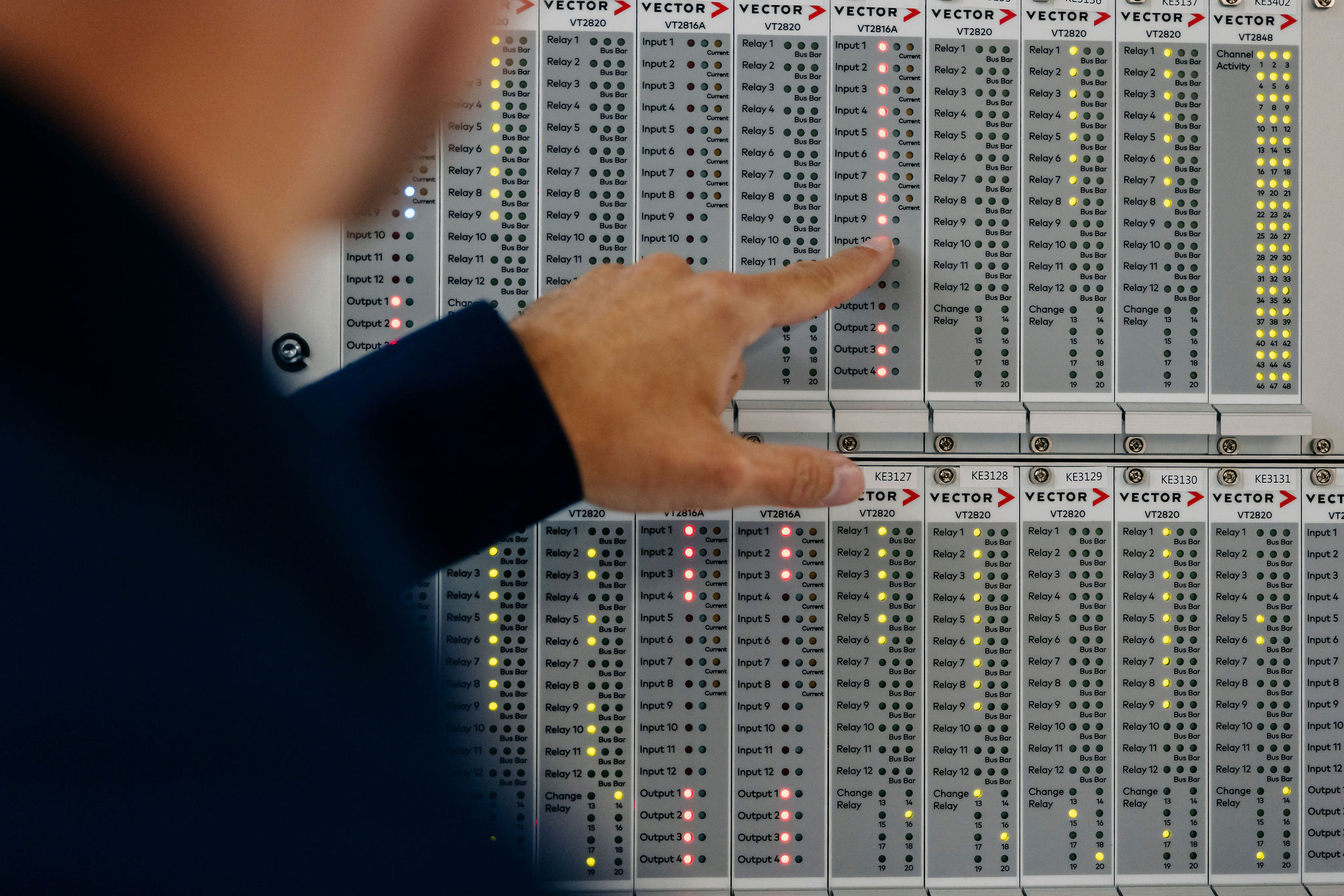

Services for functional safety and cyber security
Silver Atena combines risk analyses and safety concepts with the development of electronic systems. The safety and security departments work with the teams that design the architecture, hardware and software and test the product.
For applications with functional safety requirements, we assess hazards, define safety goals and requirements, and develop technical measures. For cyber security, this is complemented by threat analysis, security requirements and suitable protection concepts. Both disciplines support implementation and verification in line with the project.
Hazard and risk analyses
For functional safety, we analyse potential hazards caused by faulty system behaviour. In the automotive environment, this can include a Hazard Analysis and Risk Assessment (HARA).
For cyber security, we consider potential threats and risks, for example as part of a Threat Analysis and Risk Assessment (TARA). The results form the basis for the respective security requirements.Safety goals, requirements and concepts
We derive the respective goals and requirements from the analyses. Silver Atena develops functional and technical safety concepts and, depending on the project, cyber security concepts.
In these, we describe the behaviour or the level of protection the system must achieve. The specific implementation is coordinated with system architecture, hardware and software.Fault analyses and safety architectures
Analyses such as FMEA, fault tree analysis (FTA) and FMEDA help to examine faults, their causes and their effects, depending on the question at hand. Depending on the application, these lead to requirements for diagnostics, redundancy, fault tolerance or safe states, which are incorporated into the architecture.
Interactions between safety and security measures are also taken into account.Supporting implementation and verification
Safety and security accompany the development of the planned measures. Reviews, analyses and tests verify the implementation of the respective requirements. The results are documented as evidence.
Silver Atena supports the planning and compilation of safety evidence as well as audits and assessments, depending on the project.
Development process for safety and security concepts
Risk analyses come first, but they are not concluded with the first concept. Changes to functions, interfaces or architecture can require new assessments. For cyber security, depending on the assignment, we also consider the planned processes for monitoring and handling vulnerabilities and for security updates during operation.
- Understanding the application and system boundaries
The first step is to clarify which functions the system performs, how it is used and which technical interfaces are relevant. - Assessing hazards and threats
Safety and security analyse their respective risks. The results show which malfunctions or attack possibilities need to be examined in more detail. - Deriving goals and requirements
From the respective assessments, we derive safety and cyber security goals and specific requirements. These are assigned to the responsible system elements and development teams. - Integrating measures into the architecture
Hardware and software measures are coordinated with the system architecture. This includes checking how they interact and whether a measure creates new dependencies. - Verifying implementation and effectiveness
Development results, analyses and tests are compared with the specified requirements. Deviations or changes are fed back into the assessment and technical development. - Consolidating evidence
The relevant analyses, requirements, decisions and test results are compiled for project-specific release and verification.

Methods and standards for functional safety and cyber security
The ISO 26262 series of standards addresses the functional safety of safety-related electrical and electronic systems in road vehicles within its scope. ISO/SAE 21434 specifies requirements for cybersecurity engineering for electrical and electronic systems in road vehicles. The Hazard Analysis and Risk Assessment (HARA) is used for hazard analysis and risk assessment in the context of functional safety. For cyber security, the Threat Analysis and Risk Assessment (TARA) covers threat analysis and risk assessment. From these assessments, we derive safety goals and requirements. We then verify their implementation.
Common analysis methods include Failure Mode and Effects Analysis (FMEA), Fault Tree Analysis (FTA) and Failure Modes, Effects and Diagnostic Analysis (FMEDA). The method used depends on the question at hand and the requirements of the project.
For civil aircraft systems, SAE ARP4754B and ARP4761A provide guidance on system development and safety assessment respectively. RTCA DO-178C and DO-254 concern development assurance for software and airborne electronic hardware respectively. The applicable editions of these documents and the requirements for cyber security in aircraft systems depend on the project and certification context.
Functional safety and cyber security by industry
Automotive
In electronic vehicle systems, potential hazards and cyber risks must be assessed in line with the application. Safety and security requirements are incorporated into the architecture, hardware, software and testing. Which requirements from ISO 26262 and ISO/SAE 21434 apply depends on the specific project.
Aerospace
Electronic aircraft systems may require extensive safety analyses and traceable development evidence. The safety and security requirements that apply depend on the system function, its use and the project.
Defence
In defence applications, functional safety, protection against manipulation and availability may all be relevant at the same time. The specific analyses and measures result from the mission profile and the project-specific requirements.
Your benefits from early safety and security development
- Identifying risks before technical decisions are made
We analyse hazards and threats early on so that the results feed into the architecture and measures. When changes occur, we review the assessments again. - Coordinating requirements across disciplines
System, hardware, software and test teams work on the basis of coordinated safety requirements that are assigned to the respective system elements and development levels. - Taking interactions into account
Safety and security measures are assessed for their impact on the overall electronic system. - Building evidence in a targeted way
Linking analyses, requirements, implementation and test results supports project-specific release.
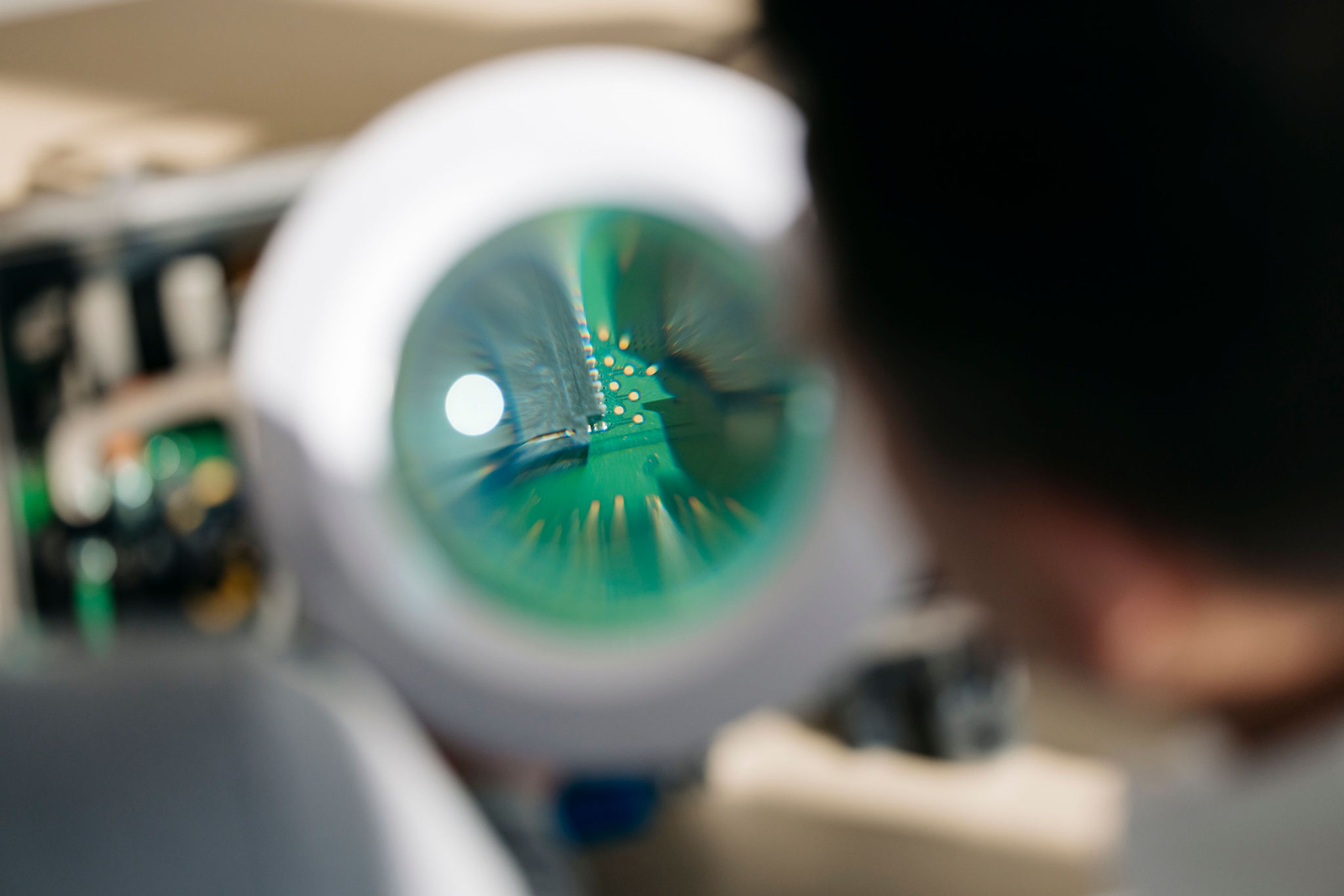
Safety and security in interaction with development and testing
Requirements engineering supports the clear description, management and traceability of safety requirements. System architecture and system integration takes them into account in the structure and interfaces of the system.
Hardware development and embedded software implement the technical measures required in each case. Test and validation verifies the behaviour of the integrated product against defined requirements. Changes to the system must also be coordinated with quality and configuration management so that assessments and evidence match the current development status.
Why Silver Atena for functional safety and cyber security?
Silver Atena handles safety and security in connection with its own development of electronic systems. This means analyses and safety concepts can be coordinated directly with system architecture, hardware, software and testing.
For automotive cyber security, Silver Atena was assessed again in 2026 against the ENX Vehicle Cybersecurity Standard. This includes, among other things, the integration of TARA and cyber security evidence into the development processes. The assessment covers the cyber security management system and the organisational capabilities examined. The cyber security of an individual product must be assessed on the basis of its own requirements and evidence.

Discuss safety and security requirements
Are you developing an electronic system with functional safety or cyber security requirements? Silver Atena supports you with risk analyses, safety concepts, the coordination of technical measures and verification.