Embedded Software Development for Control Units
Embedded Software for Electronic Systems
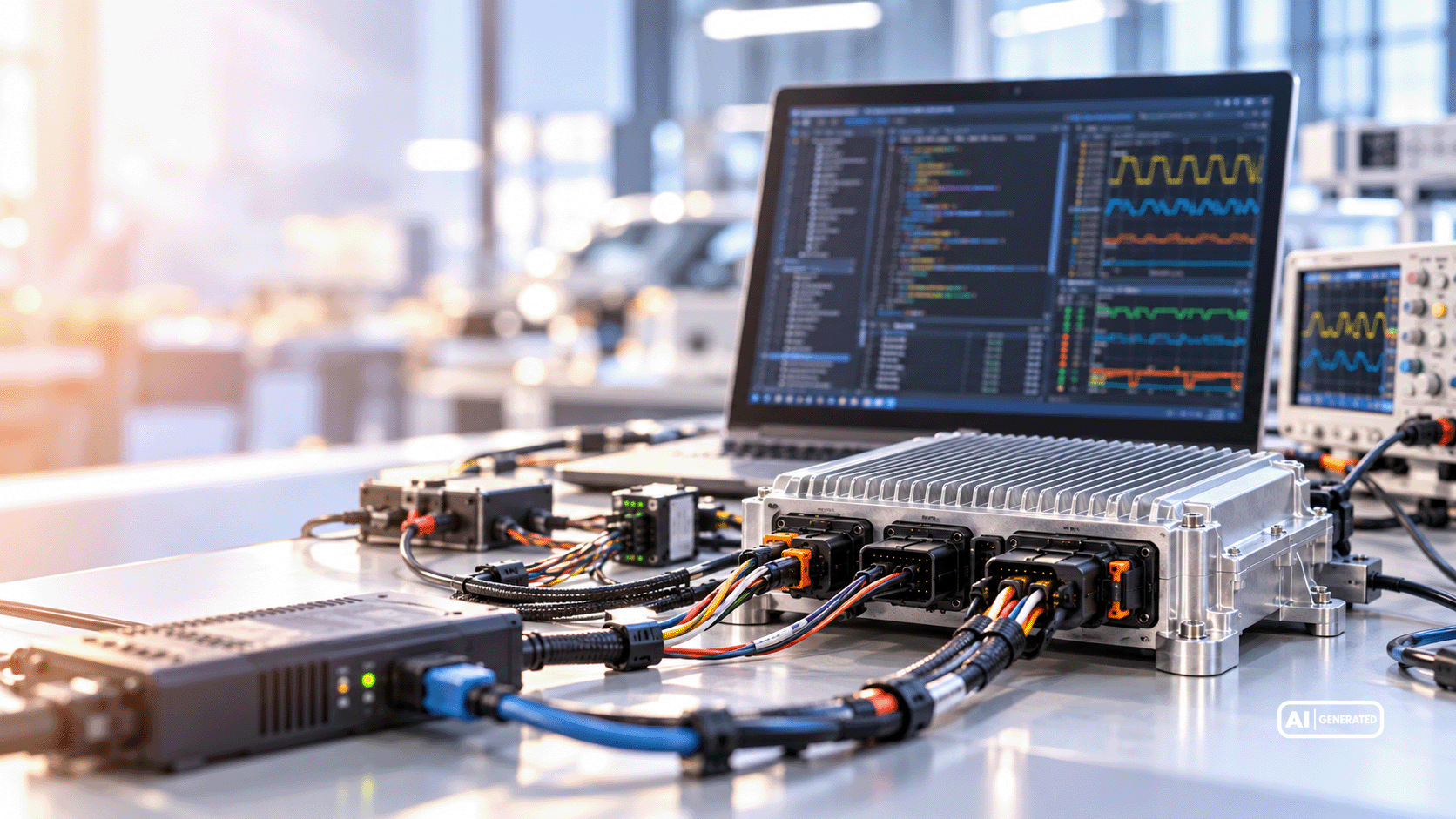
Silver Atena develops software that runs directly on control units and other electronic systems. This includes software architecture, basic software, drivers, communication and diagnostics. We implement the software, integrate it on the target hardware and verify it against the defined requirements.
Our software development is coordinated with system development, hardware, safety and test. This means that, from the design stage onwards, we consider which electronic interfaces are available, which resources can be used and how the software will operate within the overall system.
Requirements for Embedded Software: Real-Time Behaviour, Interfaces and Diagnostics
Embedded software operates within fixed technical constraints. Computing power and memory are limited. Time-critical signals must be processed within specified deadlines. Information must be transmitted correctly via interfaces and fault conditions must be detected.
Individual software components may work correctly on their own and still cause problems once they run together on the target hardware. Architecture, implementation and testing therefore need to be aligned with the actual control unit and its application.
- Timing Behaviour
Software functions must meet the timing requirements that apply to them. - Hardware Interfaces
Drivers and basic software must match the electronic components and their interfaces. - Communication and Diagnostics
Data exchange and the handling of fault conditions are designed to suit the system. - Verifiable Behaviour
Reviews and tests verify software components and their integration against defined requirements.


Embedded Software Development from Architecture to Verification
Silver Atena develops embedded software for customised control units and power electronics. Our work ranges from software requirements and architecture to hardware-near implementation, integration and verification.
The software components required depend on the product. A project may include, for example, drivers and basic software, communication and diagnostic functions, or bootloaders and update functions. The functional and control concepts are developed in control and function development. Their implementation in software can form part of embedded software development.
Software Requirements and Software Architecture
We derive software requirements from the system requirements and allocated system functions. We then define the software components, their responsibilities and the interfaces between them and with the hardware.
A clearly defined architecture helps to plan implementation, integration and subsequent changes.Basic Software and Drivers
Drivers provide access to electronic components. Basic software provides functions that other software components require for operation.
During development, we coordinate closely with hardware development: Which signals are available? How are components controlled? What requirements apply to resources and timing behaviour?Communication, Diagnostics and Bootloaders
Silver Atena develops software for communication between components and for diagnosing system states. Depending on the application, the scope may also include bootloaders as well as update and memory strategies.
The specific functions are derived from the requirements of the respective product.Software Integration on the Target Hardware
We integrate software components step by step and then bring the software into operation on the target hardware. This shows whether interfaces, resources and timing behaviour also interact as intended on the actual control unit.
Any deviations identified are analysed and addressed in the subsequent development process.Software Testing and Verification
Code reviews, static analyses, and unit and integration tests support verification. For requirements-based testing, we document which requirements have been tested and which results are available.
For testing the complete control unit, software development works closely with test and validation.
Development Process for Embedded Software
The exact process depends on the project and application. Software is repeatedly integrated and tested during development; findings from testing may require changes to the implementation or architecture.
- Define software requirements
We clarify which tasks the software must perform and which requirements apply to interfaces, behaviour, safety and verification evidence. - Design the software architecture
The software is structured into components. Their functions and interfaces are defined and aligned with the hardware architecture. - Implement components
The required drivers, basic software, communication and diagnostic functions are developed. Implementation follows the project-specific requirements and development rules. - Integrate and test the software
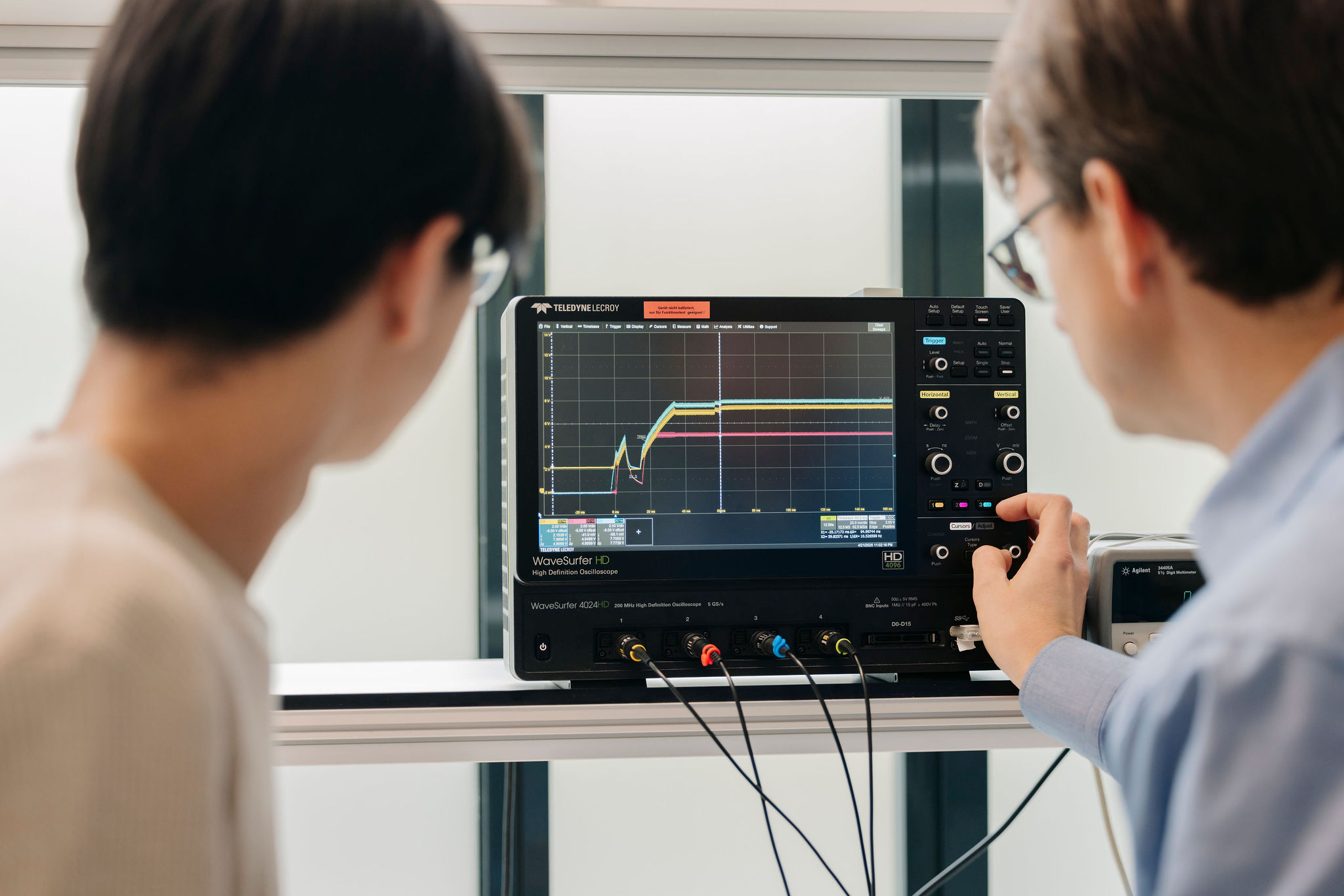
We test the components and how they interact. We then bring the software into operation on the target hardware and carry out further testing there. - Verify behaviour in the control unit
The integrated software is verified in the context of the control unit and its requirements. Software development and test work closely together for this purpose.
Technologies, Methods and Standards in Embedded Software Development
Silver Atena develops embedded software in C, among other languages. Our publicly described portfolio includes model-based development, AUTOSAR integration, static analyses, and unit and integration tests. The methods and technologies used depend on the respective project.
In the Automotive sector, Automotive SPICE is used as a model for assessing development processes. ISO 26262 may be relevant for safety-related electrical and electronic vehicle systems. ISO/SAE 21434 addresses cybersecurity engineering for road vehicles. RTCA DO-178C may be relevant for safety-critical software in aircraft systems.
Embedded Software for Automotive, Aerospace and Defence
Automotive
Silver Atena develops embedded software for electronic vehicle systems. Depending on the control unit, basic software, communication, diagnostics and AUTOSAR integration may be relevant. Functional safety and cyber security requirements are considered according to the application.
Aerospace
For electronic aerospace systems, reliable software behaviour and traceable development and verification are key. The specific scope of development and verification depends on the function and project requirements.
Defence
For Defence applications, requirements relating to real-time behaviour, communication and long service life may be relevant. Software architecture and implementation are aligned with the respective electronic system.
Your Benefits from Integrated Embedded Software Development
- Software Matched to the Hardware
Early coordination between software and hardware development helps to take interfaces and resources into account during implementation. - Identify Integration Issues
Testing on the target hardware shows whether assumptions made during architecture and implementation hold true in the actual control unit. - Trace Changes
A structured software architecture and links to requirements make it easier to assess changes. - Assign Verification Results
Reviews, analyses and tests document which software characteristics and requirements have been verified.

Embedded Software im Zusammenspiel mit Hardware, Safety und Test
Requirements engineering defines the requirements for software behaviour. System architecture and system integration define the framework of the overall electronic system. Hardware development defines and implements the electronic components and interfaces with which the software interacts.
Control and function development describes the required functional or control behaviour, depending on the product. Embedded Software Development implements the software components required for this on the target hardware. We coordinate functional safety and cyber security requirements with the relevant specialist teams.
Test systems and test bench development provides suitable test environments. Test and validation verifies the behaviour of the integrated control unit or system.
Why Silver Atena for Embedded Software?
Silver Atena combines embedded software development with in-house expertise in system architecture, hardware development, safety and test. Our software teams therefore work close to the electronic product on which their software is used.
We develop software architectures, implement and integrate embedded software, and verify it from individual software components through to operation in the control unit. Experience from Automotive and Aerospace projects is incorporated into the project-specific implementation.

Discuss Your Embedded Software Project
Do you need embedded software for a control unit or another electronic system? Silver Atena supports you with software architecture, hardware-near implementation, integration and verification.