Mechanical and Enclosure Development for Electronic Systems
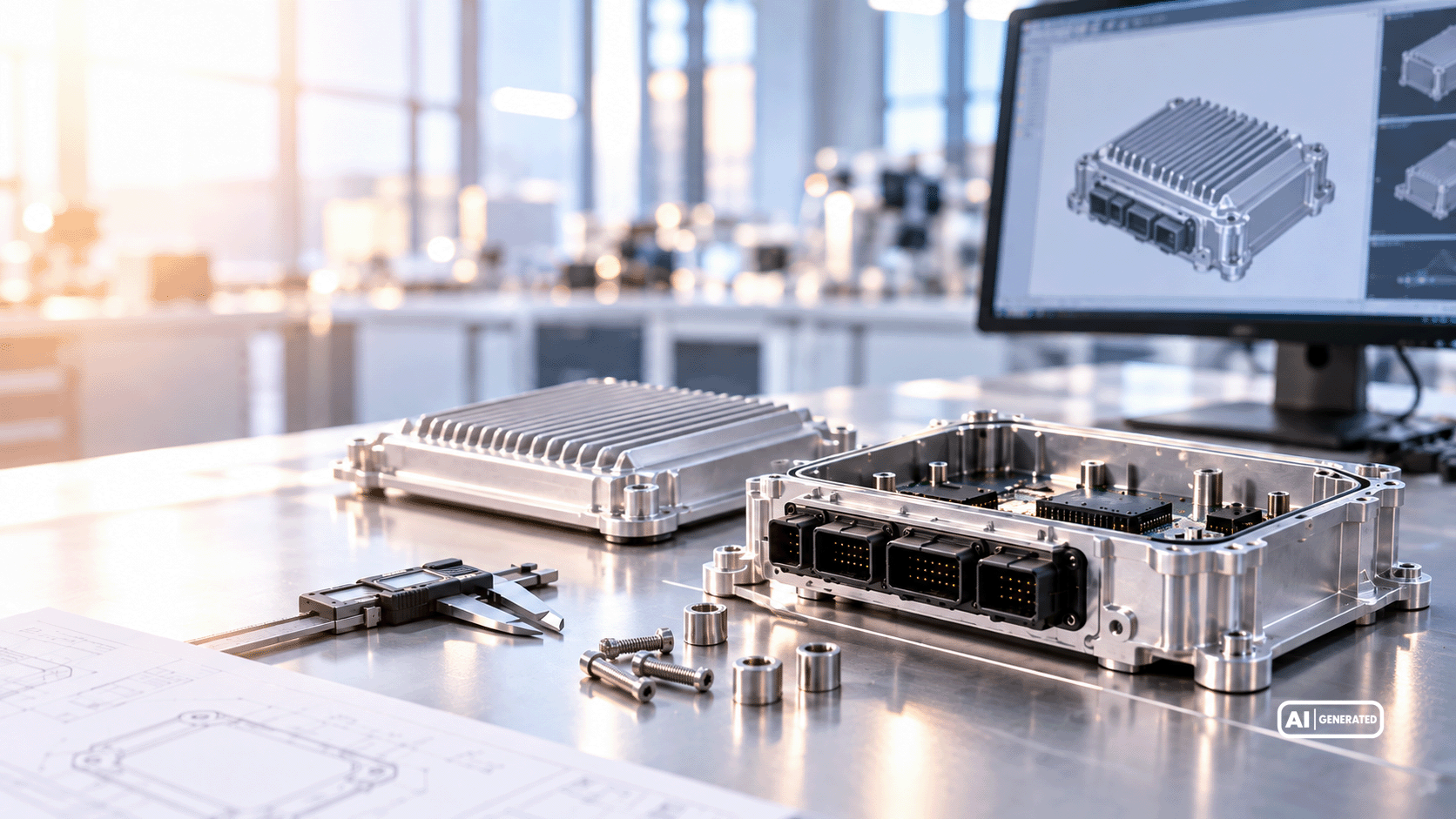
Developing enclosures for control units and power electronics
An enclosure holds the electronics, secures circuit boards and connectors, and mechanically connects the assembly to the overall system. Depending on the application, it protects against environmental influences and mechanical loads. At the same time, the heat generated during operation must be dissipated via suitable paths.
Silver Atena develops enclosures, assemblies and mechanical components for electronic systems. Our design engineers coordinate installation space, protection, cooling and manufacturing with hardware development and support the mechanical solution from concept through to testing and preparation for series production.
Requirements for electronic enclosures: protection, cooling and installation space
Depending on the application, an enclosure must protect the electronics against moisture, dust or mechanical loads. At the same time, heat dissipation must be ensured. Often only limited space is available for mounting, connectors and assembly.
These requirements influence one another. A different arrangement of the circuit board can change the heat path. A seal requires space and a suitable geometry. Mechanical tolerances affect whether components can be assembled and whether thermal contacts are formed as intended.
That is why we coordinate the enclosure and electronics at an early stage. Late changes to protection, heat dissipation or assembly can require adjustments to several components.
- Protecting the electronics
Enclosures and seals are designed for the intended environmental and operating conditions. - Dissipating heat from the enclosure
The mechanical connection of heat-generating components helps to determine the paths via which heat is released to the environment. - Absorbing loads
Fixings and mechanical connections are designed for the intended vibration and shock loads. - Enabling assembly
Installation space and tolerances influence whether the assembly can be put together and tested.

Services in mechanical and enclosure development
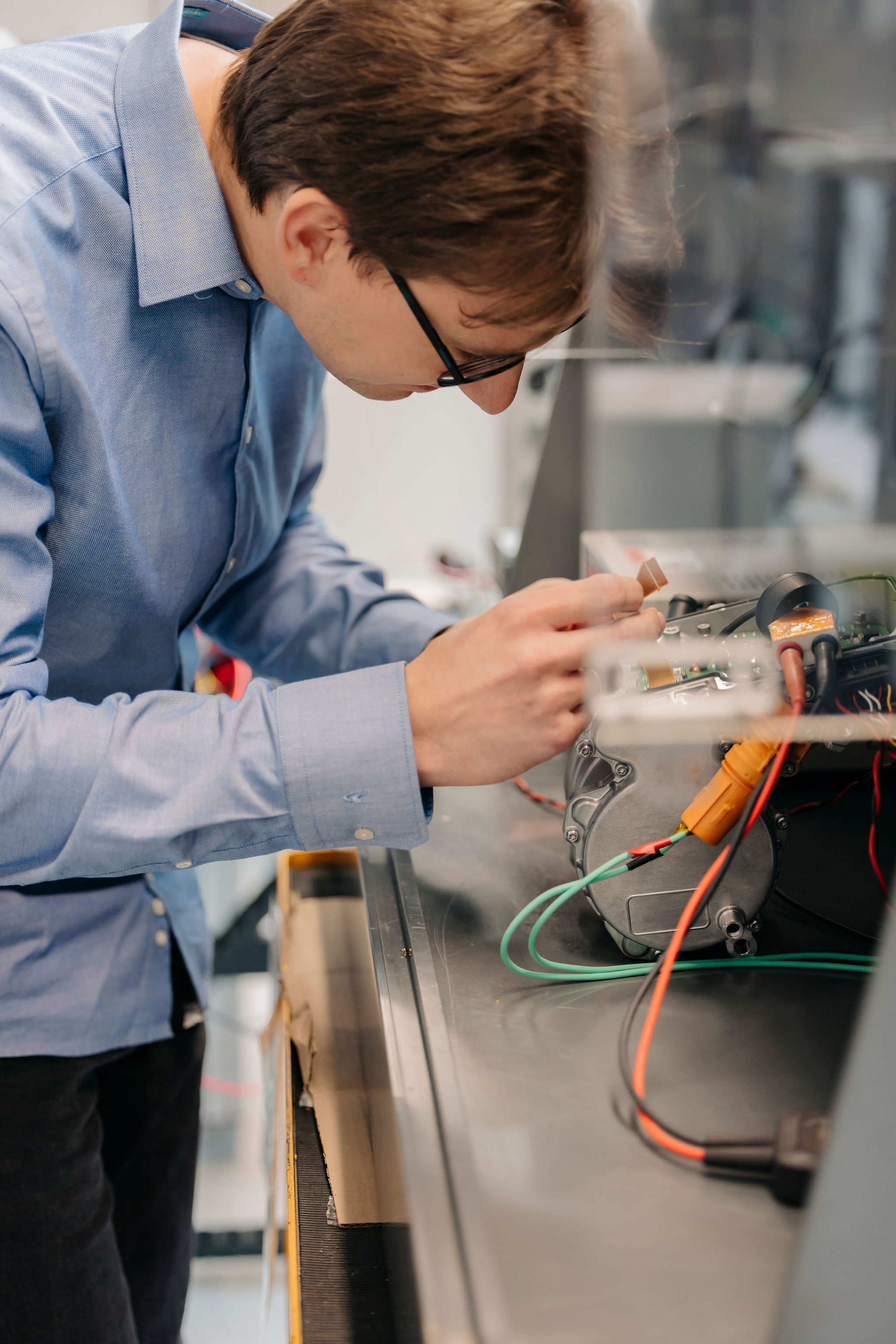
Silver Atena designs enclosures, assemblies and mechanical interfaces for electronic products. This includes integration into the available installation space, the selection of suitable materials and joining concepts, and the design of seals and fixings.
Our design engineers work together with hardware development, EMC and thermal management, environmental testing and production. This allows electrical, thermal and manufacturing requirements to be incorporated into the design.
Enclosure and assembly design
We develop mechanical concepts for holding and protecting electronic components. Enclosures, components and their connections are worked out in CAD design.
In doing so, we take into account how circuit boards, connectors and other components are arranged within the assembly.Installation space and mechanical interfaces
An electronic device must fit into the higher-level system. To achieve this, Silver Atena takes into account installation space, mounting points, connectors and accessibility.
Tolerance analyses help to assess whether components can still be assembled with permissible dimensional deviations and interact as intended during operation.Materials, seals and joining concepts
We select materials and manufacturing processes according to the requirements of the product. We develop sealing and joining concepts that suit the intended protection and the assembly of the unit.
Which solutions are suitable depends on factors such as the environment, quantities and other project requirements.Thermal and mechanical design
Enclosures and mechanical components influence both heat dissipation and behaviour under vibration and shock. Calculations and simulations support the design; we coordinate the design implementation with hardware development and thermal management.
Supporting prototypes and manufacturing
Prototypes show whether components fit, can be assembled and whether the intended contacts and connections are formed. The findings are incorporated into the design.
Silver Atena takes subsequent manufacturing into account and, depending on the project, supports validation and production ramp-up.
Development process for enclosure and assembly design
Mechanical decisions are not only made once the electronics are finished. Mechanical design and hardware development coordinate throughout the project; findings from prototypes and tests can require changes on both sides.
- Clarifying installation space and loads
At the start, dimensions, fixings, connectors and relevant environmental conditions are considered. Requirements for protection, heat dissipation and assembly are also recorded. - Developing the mechanical concept
We define how the electronics are arranged and secured in the enclosure and which paths are provided for heat dissipation and mechanical loads. - Designing and dimensioning the assembly
Enclosures, seals, connections and other components are designed. Tolerances and mechanical and thermal properties are checked. - Building and assessing the prototype
The assembled device allows fit, assembly and interfaces with the electronics to be checked. Deviations are analysed and addressed in the design. - Testing loads and preparing for manufacturing
Environmental and mechanical tests provide insights into behaviour under the required conditions. For the transition to series production, the design and assembly processes are developed further accordingly.

CAD, simulation and test specifications in enclosure development
Silver Atena uses CAD design as well as calculations and simulations for mechanical design. Depending on the product, this includes considerations of installation space, tolerances, thermal connection and mechanical loads.
Test conditions and evidence depend on the product and its use. The ISO 16750 series of standards covers environmental conditions and testing for electrical and electronic equipment in road vehicles. RTCA DO-160 describes environmental conditions and test procedures for airborne equipment. The IEC 60068 series of standards contains general procedures for environmental testing. The applicable parts and test conditions are defined by the respective project.
Enclosure development for automotive, aerospace and defence
Automotive
Enclosures for electronic vehicle components must fit into the available installation space and be suitable for the intended manufacturing process. Requirements for protection against environmental influences, temperature behaviour and vibration and shock loads can determine the design.
Aerospace
In electronic aircraft systems, low weight, mechanical strength and defined environmental conditions can play a particular role. Material and fire protection requirements depend on the application and project.
Defence
For defence applications, Silver Atena develops mechanical solutions for robust electronic systems. In addition to environmental influences, maintainability and accessibility can be important in the design.
Benefits of enclosure development integrated at an early stage
- Coordinating electronics and enclosure
We consider installation space, circuit board arrangement and heat dissipation together at an early stage in order to reduce later changes and additional development effort. - Identifying assembly problems earlier
Tolerances and connection points are already taken into account in the design and checked on prototypes. - Validating loads in a targeted way
The mechanical design is based on the required operating conditions and the tests planned for them. - Preparing for series production
Materials, manufacturing processes and assembly feed into the further development of the assembly.
Mechanics in interaction with hardware, thermal design and environmental testing
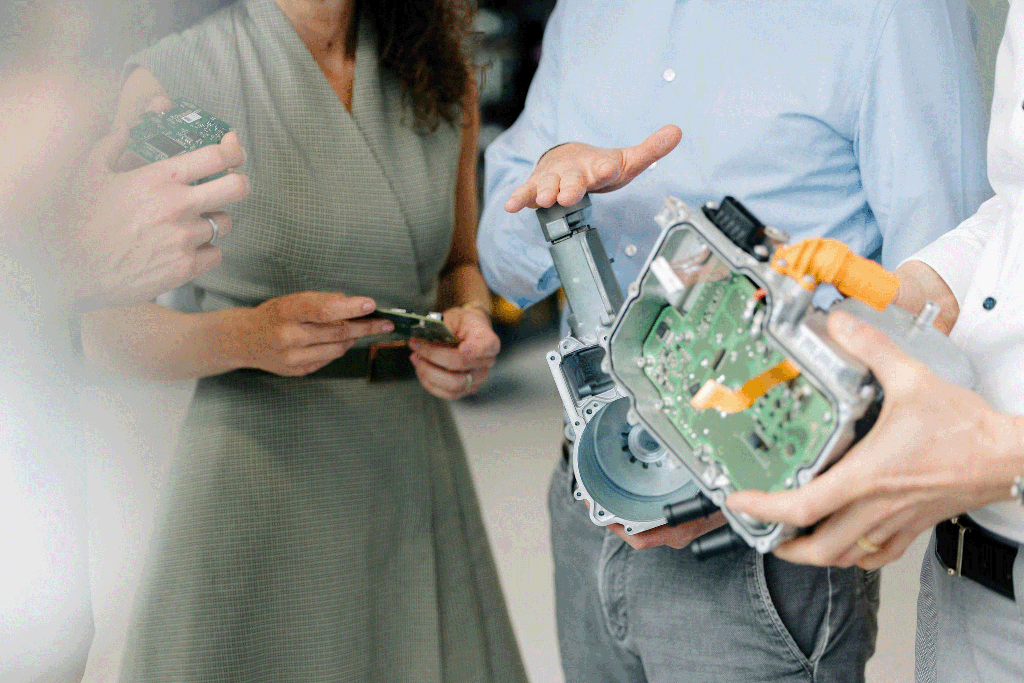
Hardware development helps to define the arrangement, electrical interfaces and power loss of the electronics. This results in requirements for installation space, fixing and heat dissipation. EMC and thermal management addresses the electromagnetic and thermal requirements that we take into account in the enclosure design. Depending on the application, we also include requirements for electromagnetic shielding, electrical contacting and the connection of cable shields.
Environmental testing and qualification tests the product under the intended loads. The results may require adjustments to seals, fixings or materials. Industrialisation and transition to series production brings requirements from manufacturing and assembly into further development.
Why Silver Atena for mechanical and enclosure development?
Silver Atena develops mechanical components in direct connection with the electronics they hold and protect. Our design engineers work together with hardware development, environmental testing and production.
This means questions about installation space, heat, loads and assembly can be clarified early and checked on prototypes and throughout further development. Silver Atena combines enclosure design with the development of electronic products for automotive, aerospace and defence.
Discuss the enclosure concept for your electronic product
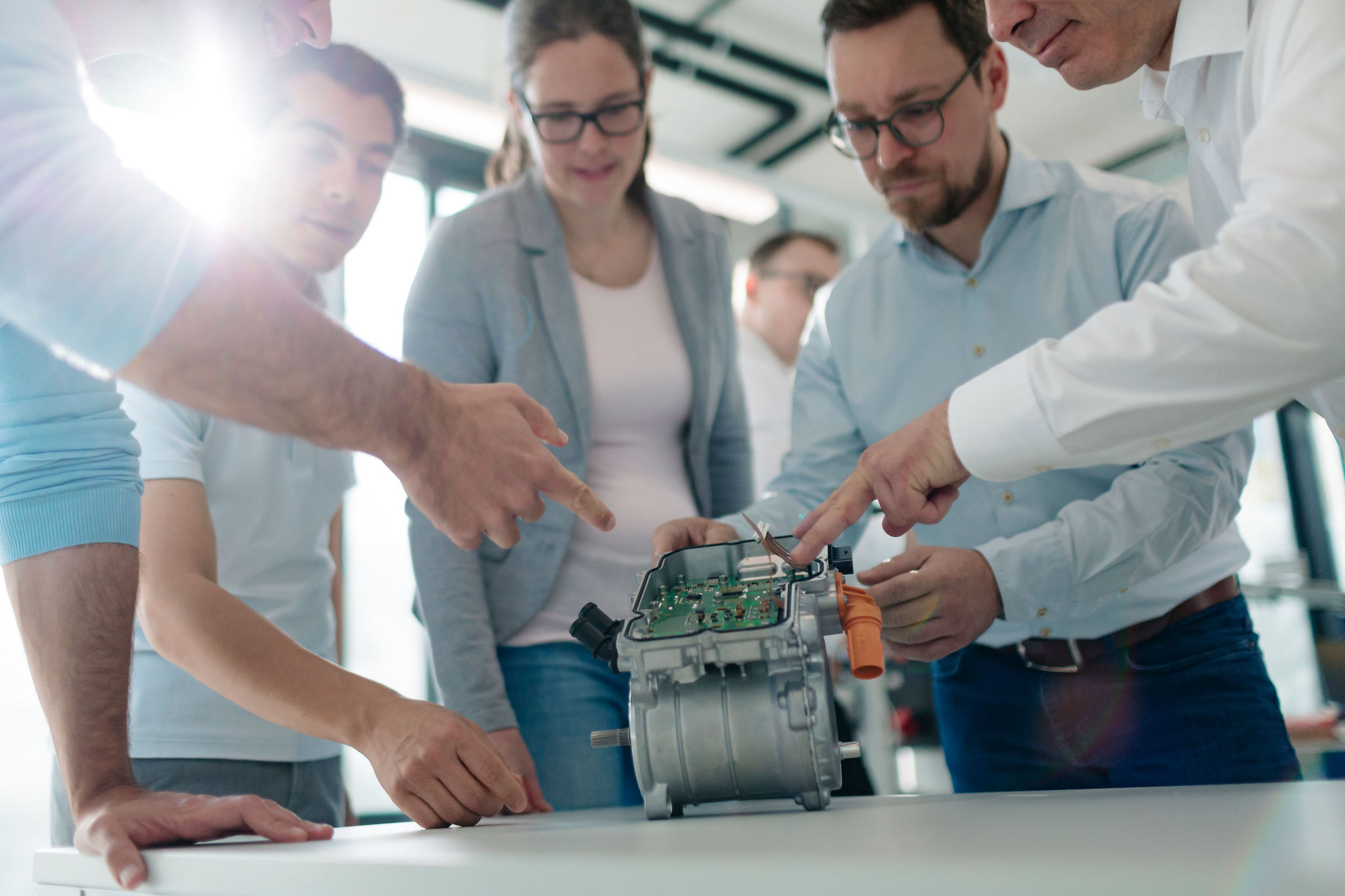
Are you developing a control unit or an electronic assembly with demanding requirements for installation space, protection or heat dissipation? Silver Atena supports you with mechanical conception, design and integration as well as with the preparation of testing and manufacturing.