Industrialisation and Transition to Series Production of Electronic Systems
A working prototype is not yet a series product
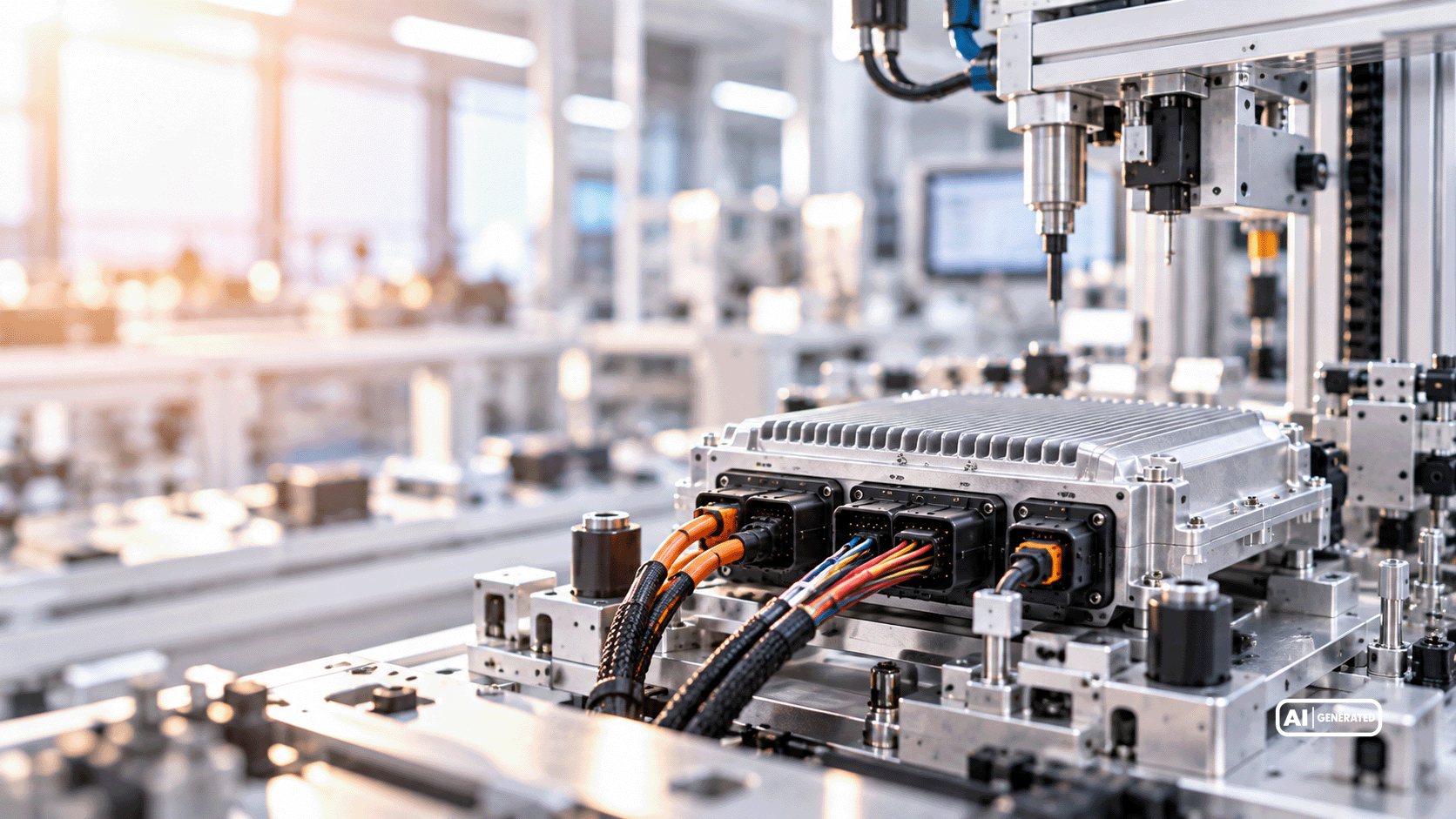
A prototype shows that a technical concept can work. For series production, however, the product must be manufactured, assembled and tested repeatedly – with available components, suitable manufacturing documentation and defined quality criteria. What experienced staff can still adjust on a single unit requires a controlled process in series production.
Silver Atena combines product development, production planning, quality, purchasing and production. Industrialisation begins during development and accompanies the product through samples and pre-series production to the production ramp-up. The aim is a manufacturing and test process that suits the product, the required quantities and the quality requirements.
What hurdles arise in the transition to series production?
An electronic device can fulfil all its intended functions in the development laboratory and still be difficult to manufacture. Components may not be permanently available, assembly steps may be too complex, or relevant characteristics of the finished device may not be sufficiently testable. Manufacturing variations can also affect quality and function.
In addition, there are changes during development. If, for example, a component is replaced or a circuit board is revised, it must be clarified which samples are affected, whether tests need to be repeated and which documents apply to manufacturing. Without controlled product baselines and coordinated processes, the transition to series production is difficult to trace.
The transition to series production addresses these questions before regular deliveries begin. It links the technical maturity of the product with the ability to manufacture and test it to the required quality.

Services in industrialisation and transition to series production
Silver Atena develops electronic control units and power electronics with their subsequent manufacture in mind. Production ramp-up management coordinates development data, production concepts, the supply chain and quality requirements, from the quotation phase to supporting the first series production runs.
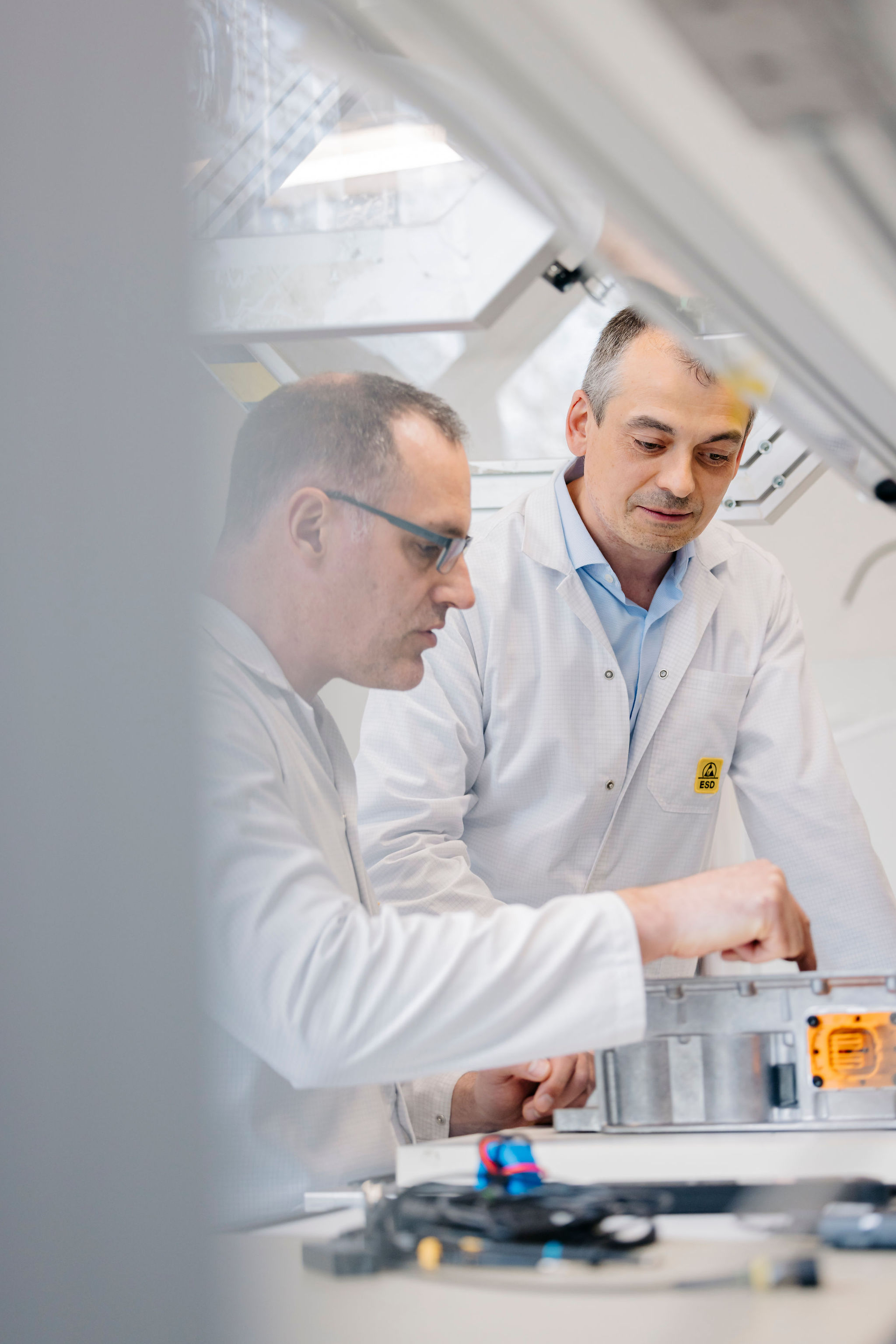
Industrialisation forms the interface between development and production. It assesses manufacturability, plans manufacturing and test processes, coordinates samples and suppliers, and tracks open issues during ramp-up. Silver Atena supplies prototypes and series components from its own sites or with manufacturing partners.
Design for Manufacturing and Design for Assembly
Design for Manufacturing (DFM) considers whether a product can be manufactured to the required quality using the intended processes. Design for Assembly (DFA) focuses on its assembly. Silver Atena coordinates these questions between development, mechanical engineering and production planning, for example whether components can be reliably sourced and processed and whether assembly steps fit the planned manufacturing sequence. This makes manufacturability part of the product decision before the design is finalised.
Design for Test and test concept
Design for Test (DFT) considers at an early stage which functions, signals or characteristics must be accessible and measurable after manufacture. A test concept is developed from the product requirements, potential manufacturing defects and the manufacturing sequence. It specifies which characteristics are tested at which points in the production process, which defects the tests should detect and what infrastructure is required. Industrialisation coordinates the development of end-of-line test benches with test bench development.
Maturity and manufacturability reviews
Maturity and manufacturability reviews check whether the product and process are ready for the next step. They reveal open questions about design, component availability, assembly, testing or documentation. What matters is that the results are translated into specific actions: what needs to be changed on the product? Which manufacturing document is missing? Which test needs to be prepared?
Coordinating suppliers, components and manufacturing documentation
Components must be suitable for the product and available for purchase during the planned production period. Suppliers and manufacturing partners need clear requirements and valid documentation. Silver Atena supports the selection and management of suppliers and coordinates development and manufacturing requirements with purchasing, quality and production. Manufacturing capabilities, supply chains and production costs are considered early on.
Production testing and end-of-line testing
Production tests assess specified characteristics of the manufactured devices and help to detect manufacturing or assembly defects. They do not automatically verify all product requirements. Silver Atena develops customer-specific end-of-line test benches. Industrialisation ensures that contacting, test sequence and evaluation of results suit the product and the manufacturing process. Which data is recorded and how deviations are handled is defined for each project.
Changes and product baselines during the transition to series production
Between prototype and series production, changes can affect components, software, mechanical design, manufacturing documentation and test sequences. Before the start of series production, it must be clear which product baseline is being manufactured and what evidence exists for it. Together with the relevant departments and with quality and configuration management, industrialisation assesses the consequences of a change for procurement, manufacturing, testing and ramp-up. This remains relevant after the start of series production.
From samples and pre-series production to production ramp-up
Prototypes and samples do not only serve technical development. They also provide insights into how a product can be built, assembled and tested. As development progresses, manufacturing documentation, components and test sequences must match the intended product baseline.
In pre-series production, the product and the production process are brought together under the conditions defined for the project. This can reveal anomalies that were not apparent on the single prototype: for example, differences between manufactured devices or work steps that cannot be reliably repeated in the planned sequence. Depending on the project, this stage also verifies the suitability of the measuring and test equipment, the process capability of relevant characteristics and whether the agreed production capacity can be achieved.
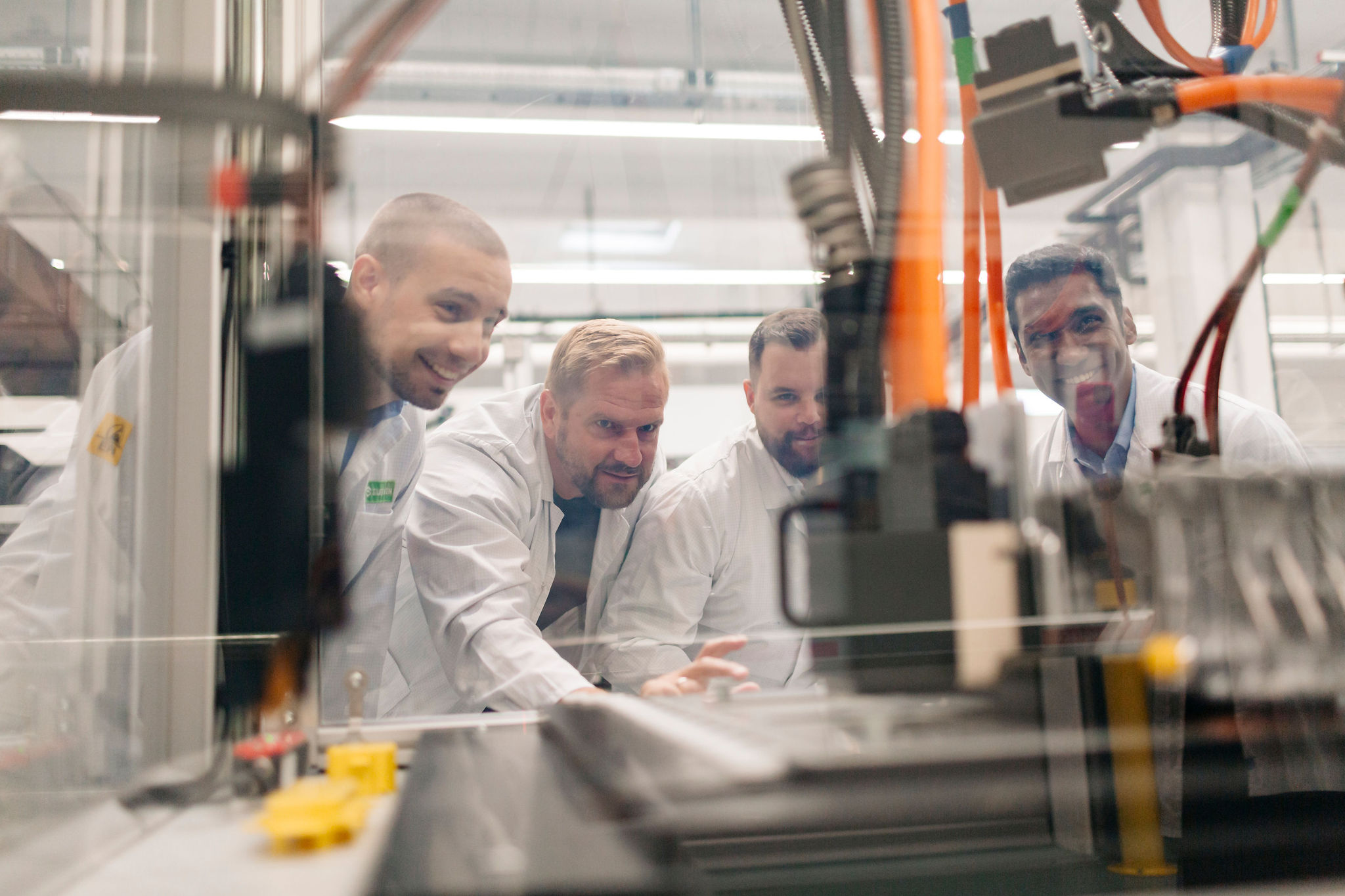
During production ramp-up, Silver Atena monitors and assesses the first production runs. Deviations are clarified between production, development, quality and suppliers; processes are adjusted where necessary. The assessment of ramp-up readiness takes both product and process into account. Responsibilities, required evidence and release decisions follow the agreed quality and release criteria.
Standards and methods for the transition to series production
Which requirements apply to industrialisation depends on the industry, product and customer project. ISO 9001, IATF 16949 and EN 9100 set requirements for quality management systems. In the automotive sector, APQP for advanced product quality planning and PPAP for the approval of production parts may be relevant. In aerospace projects, configuration control and first article inspections in accordance with the applicable requirements may also be required, for example in accordance with the 9102 series of standards. Depending on customer and project requirements, the 9145 series of standards for APQP and PPAP may also be relevant. For electronic assemblies, IPC J-STD-001 for soldering processes and IPC-A-610 for acceptance criteria may be considered, for example, depending on the agreed requirements.
Silver Atena is certified to IATF 16949, ISO 9001 and EN 9100. For a specific project, their scope, the sites and activities covered and their validity are decisive. A management system certification does not replace product or process approval. The methods and evidence to be applied are agreed for each project.
Transition to series production in automotive, aerospace and defence
Silver Atena aligns the transition to series production with the product and its area of application. The scope of industrialisation depends on factors such as quantity, manufacturing strategy, product complexity and verification requirements. Even small series can require extensive quality and release processes.
Automotive
Automotive projects can place high demands on repeatability, production quality and costs. Industrialisation must align the product, test concept and manufacturing process with the agreed quantities and customer specifications.
Aerospace
In aerospace projects, clear product baselines, traceability and documented evidence are particularly important.
Defence
For defence applications, long product life cycles, component availability and project-specific requirements for repairability and the supply chain may also come into play.
Advantages of industrialisation planned at an early stage
If manufacturability and testability are considered during development, problems can be addressed before the start of series production. The teams involved know earlier which documents, equipment, suppliers and tests are required.
A coordinated ramp-up reveals open issues and helps to manage product and process changes in a targeted way. For the customer, this creates transparency about which product baseline is being manufactured, which tests are planned and which prerequisites for the transition to series production are still missing.

Industrialisierung zwischen Entwicklung und Produktion
The transition to series production builds on the results of control unit development, hardware development, and mechanical and enclosure development. Their decisions influence how a device can be manufactured, assembled and tested. Test and validation as well as environmental testing and qualification provide evidence of product behaviour.
Test systems and test bench development provides the required test infrastructure. Quality and configuration management supports product baselines, changes and releases. Industrialisation links these contributions with the supply chain and production and prepares the transition to ongoing series production.
Why Silver Atena for industrialisation and transition to series production?
Silver Atena supports electronic products from development through testing and qualification to manufacturing. The company produces and supplies both prototypes and series components from its own sites and in cooperation with manufacturing partners. Production ramp-up management is directly linked to development, purchasing, quality, logistics and production.
This cooperation means that questions of manufacturability and testability are incorporated into product development at an early stage. Depending on the agreed scope of services, Silver Atena also supports the set-up of the manufacturing and test process.
Discuss the transition to series production for your product
Are you developing an electronic system and want to plan manufacturability, testability and production ramp-up at an early stage? Silver Atena helps you align product development and the manufacturing process.