Environmental Testing and Qualification of Electronic Control Units
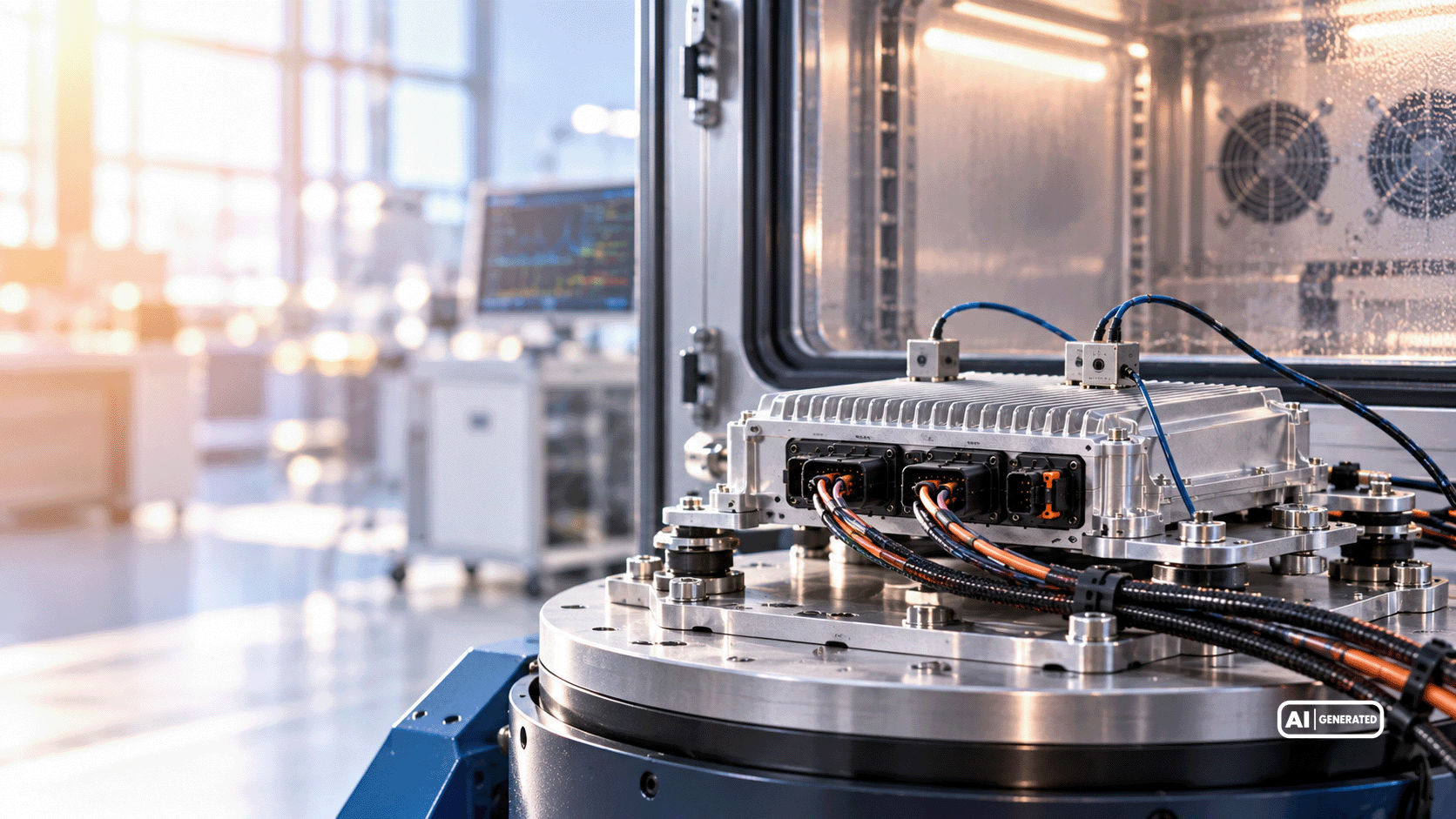
Testing electronic systems under defined loads
A control unit must meet the specified functional criteria under the specified operating conditions. These can include heat and cold, vibration, humidity and electrical disturbances. Depending on the load, defined functional limitations or subsequent recovery may also be permissible. A functional test passed under normal laboratory conditions does not yet demonstrate this.
Silver Atena plans and supports the environmental testing of electronic systems. We derive a test programme from the product and project requirements, prepare the test specimens, carry out tests or coordinate external laboratories. The results are evaluated and documented for qualification.
Why environmental conditions influence product development
Environmental loads affect different parts of a product. Temperature cycling can stress joints and materials. Vibration and shock put strain on components, fixings and enclosures. Humidity, water or dust place different demands on protection and sealing. Electrical loads and electromagnetic influences can impair the behaviour of the electronics.
A single passed test therefore does not prove suitability for all operating conditions. What matters is which loads are specified for the product, how they are tested and what behaviour is required during and after exposure.
If weak points only become apparent late in qualification, changes to the hardware, enclosure or design may be necessary. Pre-compliance testing during development helps to feed such findings back to development earlier.
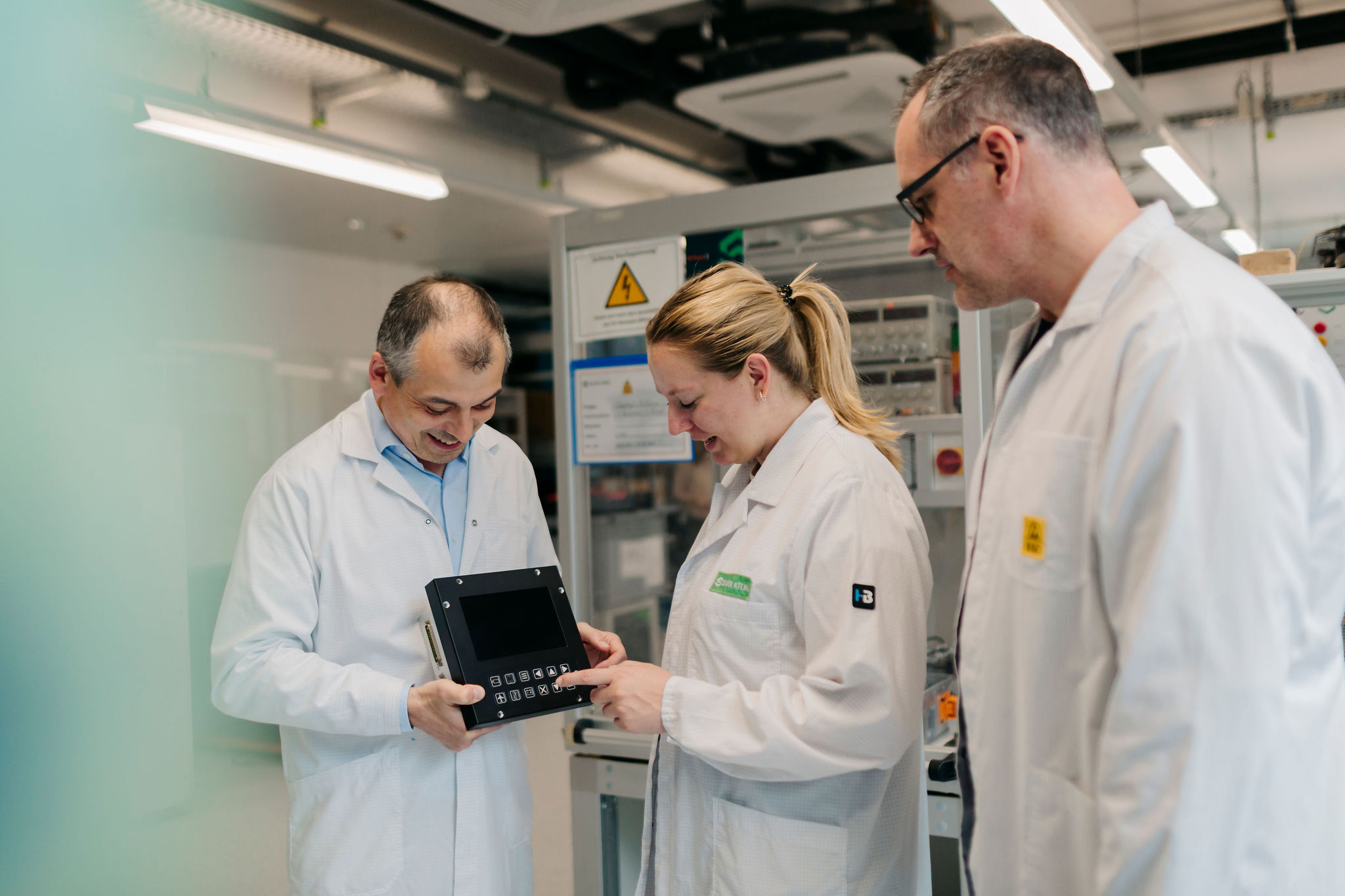

Environmental testing and qualification for control units and electronic assemblies
Silver Atena has its own department for environmental, electrical and EMC testing. The team combines the planning and execution of tests with the development of the products being tested. It agrees test scopes with the responsible departments and customers, evaluates results and supports the clarification of deviations.
Environmental testing examines the behaviour of a product under defined loads. For qualification, the tests and evidence required for the project are planned, carried out and documented. The evidence applies to the product baseline under consideration and the specified test conditions. It does not replace any series release or regulatory approval that may additionally be required. The scope of environmental qualification depends on the application, installation location, customer requirements and applicable regulations.
Temperature, climatic and humidity testing
Heat, cold and changing temperatures can affect the function and construction of electronic devices. Silver Atena tests products under temperature and climatic conditions in accordance with the specified requirements. The test range also includes temperature cycling, thermal shock and humidity testing.
Depending on the test objective, we examine whether the product works as required during exposure or whether it continues to meet its requirements after exposure. The specific temperature ranges, test durations and evaluation criteria are derived from the requirements of the respective project.Vibration and mechanical shock
Electronics in vehicles and aircraft are exposed to mechanical loads. Vibration and shock tests examine whether the product meets the required functional and condition criteria during and after the specified load profiles.
Anomalies can become apparent, for example, in fixings, joints or the mechanical construction. The results are therefore also relevant for hardware and enclosure development. The load profile, installation situation and condition of the test specimen must suit the intended application for the test to provide a meaningful answer.Water, dust, salt and other influences
Water and dust tests examine the protection of the product against the specified exposures. Where required, salt spray or other specified corrosion tests and stone impact tests are added. Which of these loads are relevant depends on the place of use and the requirements for the product.
This is about more than whether an enclosure remains undamaged on the outside. For the assessment, what matters is whether the test specimen meets the criteria specified for the test and whether the required function is maintained.Electrical stress testing
The electrical supply is also one of the operating conditions of a control unit. Depending on the project requirements, the test programme can include tests with low-voltage and high-voltage profiles, load changes and transient pulses. Execution and laboratory allocation depend on the specific test requirements and the available infrastructure. The tests examine how the product reacts under the defined electrical conditions and whether it meets the requirements specified for them.
EMC testing and preliminary investigations
EMC testing considers what electromagnetic interference a product causes and how it reacts to external interference. Silver Atena can carry out pre-compliance tests in its own EMC chamber and coordinate external tests.
The technical design for avoiding or limiting EMC problems is part of the interaction with the EMC & thermal management competence. In qualification, the focus is on the specified test procedure and the documented evidence.
From qualification planning to the final report
A robust qualification plan starts with the requirements for the product and its operating environment. Not every test is relevant to every device. Silver Atena therefore first clarifies which loads need to be considered, which test conditions apply and which criteria are used for the assessment. Depending on the application, we also take transport and storage conditions into account in addition to operation. Where the project requirements call for it, the test plan also specifies the number and allocation of test specimens and the sequence of tests.
The test specimens and test set-ups are then prepared. For each test, it is specified what state the product is in and which functions are checked during or after exposure. Silver Atena carries out the planned tests and coordinates external laboratories where necessary.
After each test, the results and any deviations are evaluated. If a test specimen shows unexpected behaviour, the findings are passed back to development. Development, qualification and, where applicable, the customer jointly assess whether an adjustment is necessary and which evidence must be provided again after a change. Final reports summarise the scope carried out and the verification status achieved.
Pre-compliance testing during development and formal qualification
Pre-compliance testing can show early on whether a chosen design shows anomalies under a relevant load. The results help the hardware, mechanical and EMC development teams to investigate causes early and implement necessary changes before the final qualification.
Subsequent qualification answers a different question: does the product baseline intended for qualification meet the specified test requirements? To answer this, test conditions, specimen status, results and deviations must be documented in a traceable manner. Tests during development and formal evidence therefore have different tasks within the same product development process.
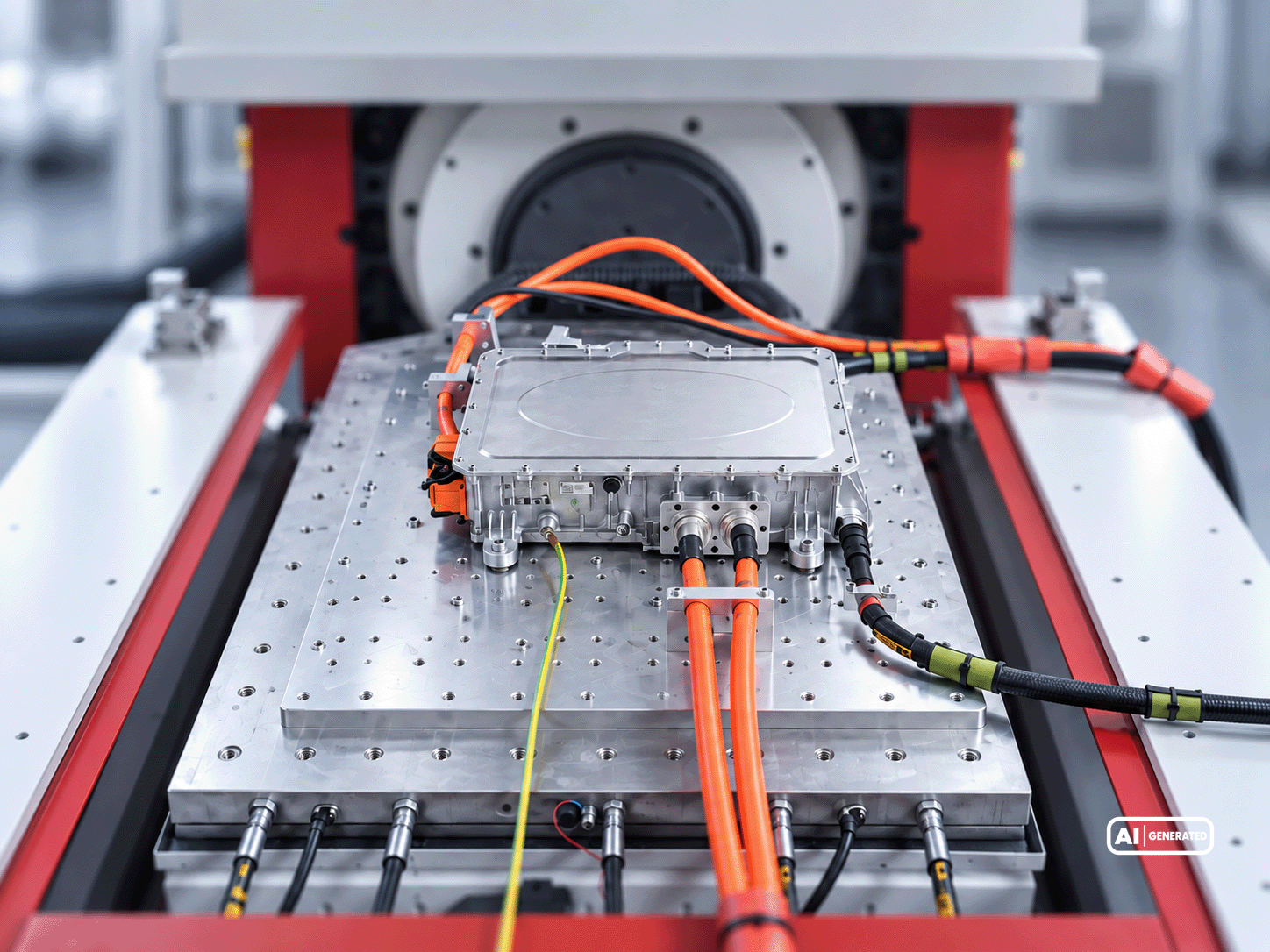
Standards and test requirements in automotive, aerospace and defence
The applicable test procedures and their editions depend on the specific project. In the automotive sector, the ISO 16750 series covers various environmental loads, such as electrical, mechanical and climatic influences. Customer specifications such as LV 124 or LV 148 may also be relevant. For airborne equipment, RTCA DO-160 may specify environmental and EMC test procedures with categories defined for the specific project. MIL-STD-810 describes environmental test methods and their tailoring to the mission profile, not a uniform test scope for every defence product. Depending on the test subject, further environmental and EMC requirements may apply.
Naming a standard does not mean that every product must undergo all the tests it describes. What matters are the requirements, load profiles and evidence agreed for the device.
Environmental testing for automotive, aerospace and defence
Silver Atena aligns the test programme with the specified operating conditions instead of applying the same test scope to different products.
Automotive
An automotive control unit can be exposed to temperature cycling, vibration, water or electrical transients, among other things. The test requirements result from the product and the specifications of the respective customer project.
Aerospace
In aerospace projects, the planning and documentation of evidence are particularly important in addition to the relevant environmental conditions.
Defence
Defence applications may require extended temperature, shock and vibration profiles.
What planned environmental qualification delivers for your project
Knowing the required environmental tests early makes it possible to take them into account in product design and development planning. Pre-compliance testing reveals potential weak points before final qualification. Findings can then be fed back to the responsible departments in a targeted way.
A coordinated qualification plan also makes it clear which tests are required and which evidence is already available. The documented results support the assessment of the product before series release or other project-specific release steps. At the same time, they show whether deviations are still open and which actions are outstanding.
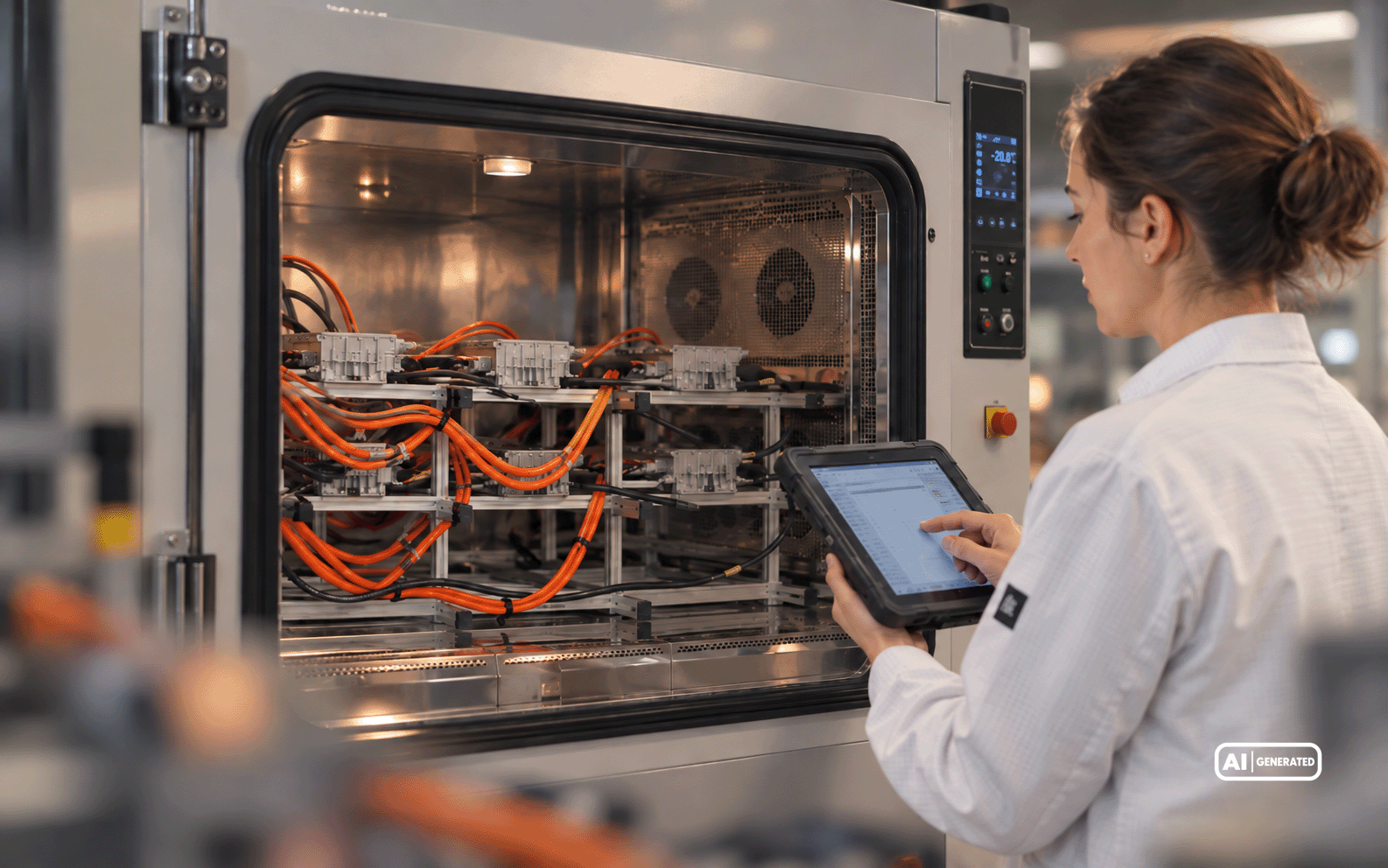
Umwelterprobung im Zusammenspiel mit Entwicklung, Test und EMV
Die Qualifikation beginnt nicht erst mit dem Prüfling im Labor. Anforderungen und Produktdesign bestimmen, welche Belastungen relevant sind und wie das Gerät geprüft werden kann. Deshalb arbeitet die Umwelterprobung mit Systementwicklung, Hardwareentwicklung, Mechanik- und Gehäuseentwicklung sowie EMV und Thermomanagement zusammen.
Test und Validierung prüft das funktionale Verhalten anhand der System-, Hardware- und Softwareanforderungen. Die Umwelterprobung untersucht, ob das Produkt unter und nach den spezifizierten Umweltbelastungen die jeweils festgelegten Funktions- und Zustandskriterien erfüllt. Erkenntnisse aus beiden Bereichen fließen in die Entwicklung zurück. Für Änderungen in Richtung Serie ist zudem die Abstimmung mit Industrialisierung und Serienüberführung wichtig.
Why Silver Atena for environmental testing and qualification?
Silver Atena combines product development and qualification within an interdisciplinary development process. A dedicated department plans and supports environmental, electrical and EMC testing; our own pre-compliance testing capabilities and cooperation with external laboratories complement the test range.
This makes technical exchange easier when a test reveals a weak point. A finding can be assessed with the development teams and a change to the product verified in a targeted way. Silver Atena supports both individual tests and the planning and documentation of more extensive qualification programmes.

Umwelterprobung für Ihr Produkt planen
Welchen Belastungen muss Ihr Steuergerät nachweislich standhalten? Silver Atena unterstützt Sie dabei, die Anforderungen in ein geeignetes Prüfprogramm zu übersetzen, Tests durchzuführen und die Ergebnisse für Ihr Projekt zu dokumentieren.