Electric & Hybrid Aircraft Propulsion
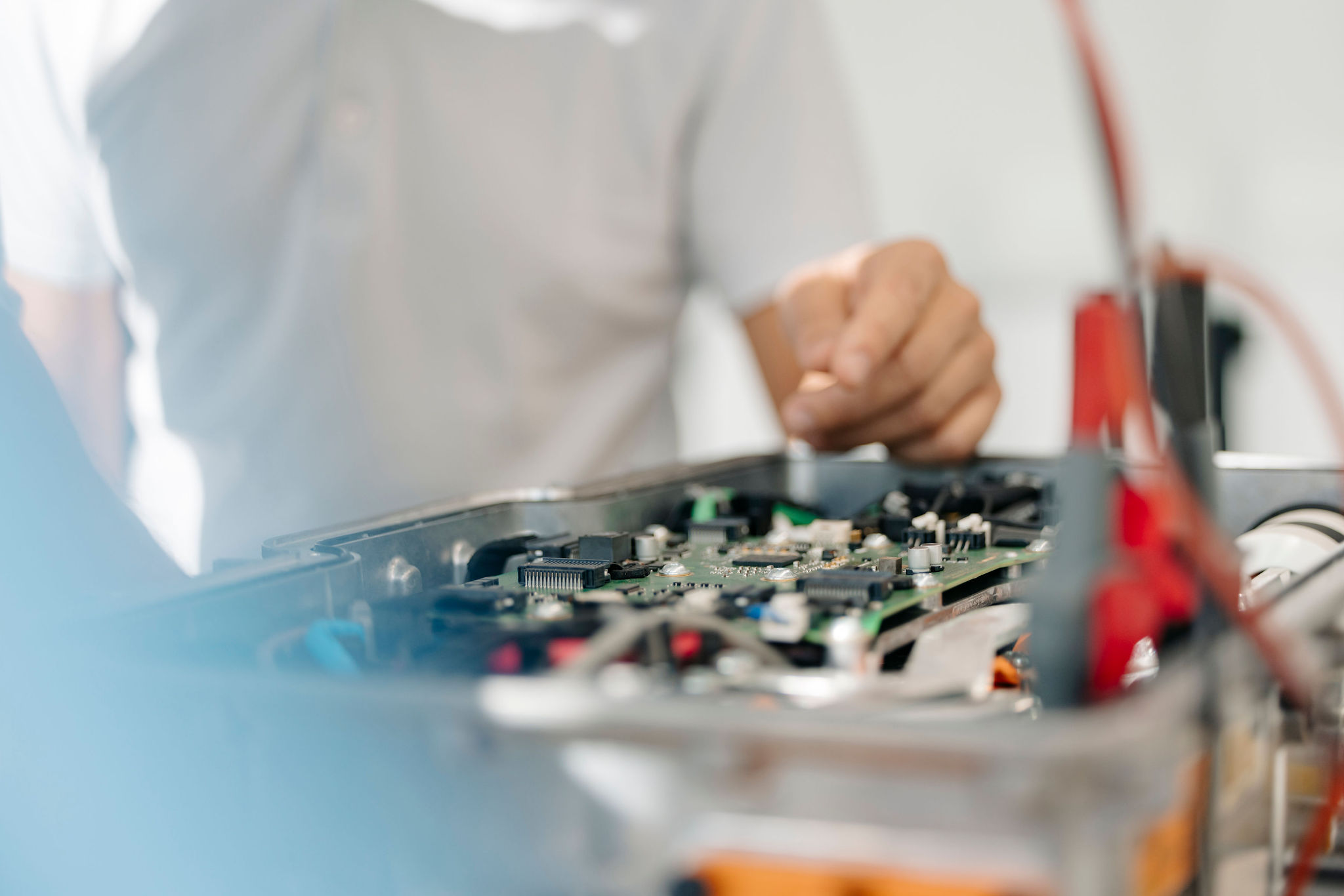
Electric propulsion as an integrated propulsion system
Electric and hybrid aircraft propulsion systems combine power supply, power electronics, electric motor or generator, control, cooling and propulsor into a single propulsion system. Hybrid systems add further energy sources and energy converters. Silver Atena develops electric propulsion systems and safety-critical electronics for aerospace applications, taking into account the interactions between energy source, power conversion, propulsion control and the higher-level aircraft architecture.
Challenges in electric and hybrid aircraft propulsion
Electric aircraft propulsion systems must deliver the required power with the lowest possible mass and limited installation space under the particular operating and environmental conditions of aviation.
The components of the powertrain cannot be designed independently of one another. Voltage, power and dynamics of the energy source affect the inverter and the electric machine. Efficiency and power loss determine the cooling requirement. Motor and inverter control shape the dynamic behaviour of the propulsion system. At the same time, safety, insulation, electromagnetic compatibility and compliance demonstration place requirements on the entire architecture.
Hybrid propulsion systems also involve the interaction of several energy sources and energy paths. The operating strategy and energy management coordinate how the required power is provided depending on flight phase, load demand and system state.
The system architecture therefore provides the basis for aligning the complete electric or hybrid propulsion system.


Services for electric and hybrid aircraft propulsion
Depending on the project, development covers individual components such as a traction inverter, sub-functions of the propulsion system or the integration of a complete electric powertrain.
Electric and hybrid propulsion architecture
The starting point is the requirements for the aircraft, the propulsion function and the power supply. Requirements engineering structures them and the system architecture translates them into a technical structure. Aspects considered include the energy source, voltage levels, electric machine or generator, inverter, propulsor, cooling and the interfaces to the aircraft architecture.
High-voltage power supply and energy management
Depending on the propulsion concept, batteries, fuel cell systems or hybrid energy sources may form part of the architecture. Silver Atena aligns their interfaces with the voltage level, power demand, load profiles and the requirements of the propulsion system. In hybrid systems, energy management coordinates which energy source provides what share of the power in which operating state.
Traction inverters for electric aircraft propulsion
The inverter connects the DC power supply to the electric machine and controls the energy flow. Silver Atena develops power electronics and DC/AC inverters for electric propulsion systems. In aerospace applications, the focus is on aspects such as power density and weight, efficiency, protection and diagnostic functions, EMC, electrical insulation and thermal design.
Electric motor, generator and propulsor in the overall system
The electric machine, inverter and propulsor together determine the behaviour of the propulsion system. Torque, speed, power range and dynamics must suit the application, and the propeller or fan characteristics influence the requirements for the motor and its control. The share of development that Silver Atena takes on depends on the project scope.
Control and propulsion control
Control and function development translates the requirements for torque, speed and dynamic behaviour into control algorithms. Depending on the application, this includes current, torque and speed control, operating state control, limiting and protection functions, diagnostics and defined fault responses. Control, embedded software, hardware and system architecture are aligned with one another.
Thermal design, cooling and EMC
High electrical power causes losses in the power electronics and the electric machine. The cooling concept therefore influences power density, installation space, weight and the usable continuous power. Depending on power, installation location and operating profile, air or liquid cooling may be required. EMC and thermal management are taken into account during system and electronics development.
Safety and fault tolerance in electric aircraft propulsion
Propulsion is one of the key functions of an aircraft. Faults in the power supply, inverter, electric machine, sensors or control can affect the entire propulsion system. System safety is therefore considered from the requirements and architecture stage onwards. The safety assessment determines the criticality of the functions and the project-specific measures, such as redundancy, monitoring, power or torque limiting and defined fault responses.
Development process for electric propulsion
The specific steps depend on the propulsion concept, power, criticality and system scope.
- Analyse requirements and propulsion concept: Requirements for power, speed, operating ranges, power supply, weight, installation space and environmental conditions are analysed and validated. Safety requirements and interfaces to the aircraft architecture are taken into account from the outset.
- Define the propulsion and energy architecture: Energy source, power electronics, electric machine, propulsor and cooling are structured within a common system architecture. Hybrid concepts add the energy paths and operating strategies of the different energy sources.
- Design components and interfaces: Depending on the project, the inverter, electric machine or generator, sensors and other components are developed, specified, selected or integrated into the overall system. Electrical, communication, thermal and mechanical interfaces are defined and aligned.
- Develop control and operating strategy: Control algorithms determine the dynamic behaviour of the electric propulsion system.
- Integrate the propulsion system: The electric machine, inverter, control unit, sensors and power supply are brought together step by step. Interfaces to higher-level aircraft and energy systems are also taken into account.
- Verify and qualify the propulsion system: The integrated system is verified against the defined requirements. Function, performance and dynamics as well as behaviour at operating limits and in defined fault cases are tested. Environmental qualification complements this assurance with the relevant mechanical, climatic and electromagnetic conditions.
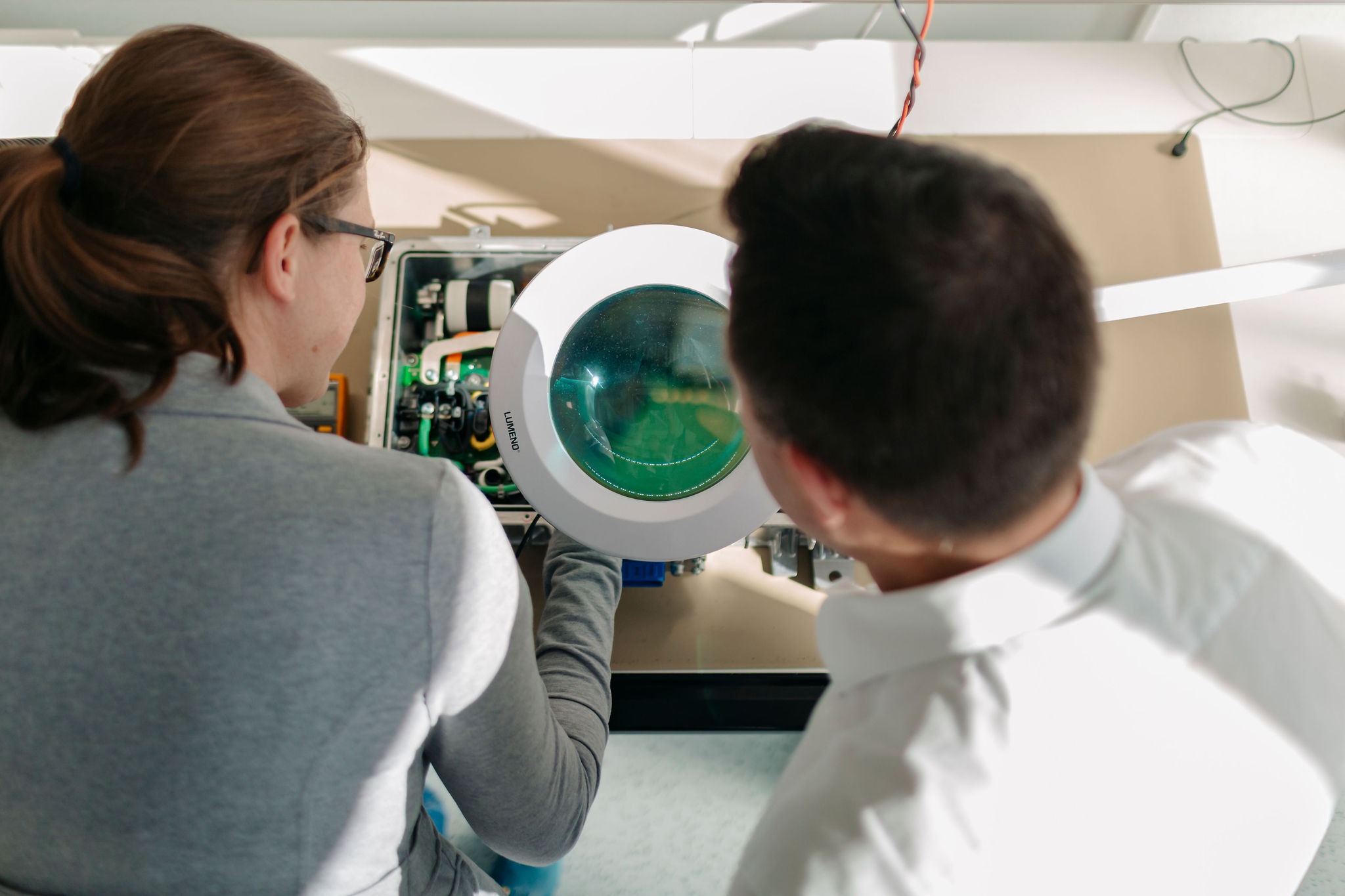
Standards and guidelines for electric propulsion
Depending on the propulsion system, criticality, certification context and development scope, the following standards and guidelines may be particularly relevant:
- SAE ARP4754B: Development of civil aircraft and systems
- SAE ARP4761A: Safety assessment process for civil aircraft and systems
- RTCA DO-178C: Software in airborne systems and equipment
- RTCA DO-254: Electronic hardware in airborne systems
- RTCA DO-160G: Environmental conditions and test procedures for airborne equipment
- EN 9100: Quality management systems in aviation, space and defence
The applicable documents, issues, compliance objectives and design assurance levels are determined by the aircraft architecture, the propulsion system and the certification basis.
Applications of electric and hybrid aircraft propulsion
Depending on the platform, power demand and integration concept, electric propulsion systems can be configured in different ways.
Electric propeller drives
In electric propeller drives, the electric machine, inverter and propeller are considered as a single powertrain. The design depends on factors such as power, speed range, efficiency, cooling and the requirements of the respective flight platform. Such drives can be used in all-electric or hybrid architectures.
Electric fan systems
Electric fan systems combine an electric machine with a fan and a traction inverter. Motor, inverter, cooling and mechanical integration must be aligned with one another. In addition, there are interfaces to the power supply and to higher-level control and monitoring systems.
Aerospace traction inverters
Aerospace traction inverters handle power conversion and motor control within the electric aircraft propulsion system. Their design combines requirements for power density, weight, thermal behaviour, EMC, monitoring and integration into the aerospace system.
eVTOL propulsion
eVTOL architectures can combine several electric propulsion units with a common power supply and higher-level control. This makes power distribution, redundancy, monitoring and the coordination of the individual drives within the overall architecture increasingly important.
Other possible applications include hybrid aircraft propulsion, electric drives for UAVs and electric machines and generators.
For electrified on-board systems outside the propulsion system itself, such as electric auxiliary drives, Silver Atena offers services in More Electric Aircraft.
Benefits for electric propulsion projects
- Designing the powertrain as an overall system from an early stage
Power supply, inverter, electric machine, propulsor and cooling are considered together. This makes trade-offs between power, efficiency, weight and installation space visible at an early stage. - Clearly defining interfaces between energy and propulsion
A coordinated propulsion and energy architecture creates clear technical interfaces between the energy source, power electronics, motor and the higher-level aircraft system. - Evaluating power density and energy demand together
Efficiency, power loss, cooling and weight are evaluated in line with the requirements of the overall propulsion system. - Considering fault behaviour and evidence early on
Safety, degradation behaviour, diagnostics and verification and qualification requirements are taken into account during architecture and development.

Electric propulsion across engineering disciplines
Electric and hybrid aircraft propulsion combines several development and technology competencies.
- System architecture and power supply
The system architecture describes the technical structure of the propulsion system and its interfaces to the aircraft architecture. The power supply provides the required electrical power and influences the voltage level, power electronics and operating strategy. - Power electronics and electric drives
Power electronics handles the conversion and control of electrical energy. The development of electric drives considers the interaction of electric machine, inverter, sensors and control. - Control engineering and embedded software
Control and function development defines the dynamic behaviour of the propulsion system. Embedded software implements control, communication, diagnostic and hardware-related functions on the electronics. - Safety, testing and qualification
System safety defines requirements for fault behaviour and safety mechanisms. Testing and validation and environmental testing and qualification support the functional and environmental assurance of the propulsion system.
Why Silver Atena for electric and hybrid aircraft propulsion?
- System design and integration along the electric powertrain
Silver Atena combines system architecture, power supply, power electronics, electric drives, control engineering and testing. This allows the technical interactions along the electric powertrain to be considered together. - Power electronics and electric aerospace drives
Silver Atena develops power electronics, control functions and embedded software for electric propulsion systems in aerospace applications. - Development and assurance in a coordinated process
System development, hardware, embedded software, control engineering, safety and testing are aligned within the development process. Depending on the project, our scope of services ranges from the propulsion and energy architecture through component development and integration to verification and qualification.

Electric and hybrid aircraft propulsion for your aerospace project
Are you looking to develop an electric or hybrid aircraft propulsion system or to further develop an existing one? Discuss your requirements and the development scope you need with our team.